
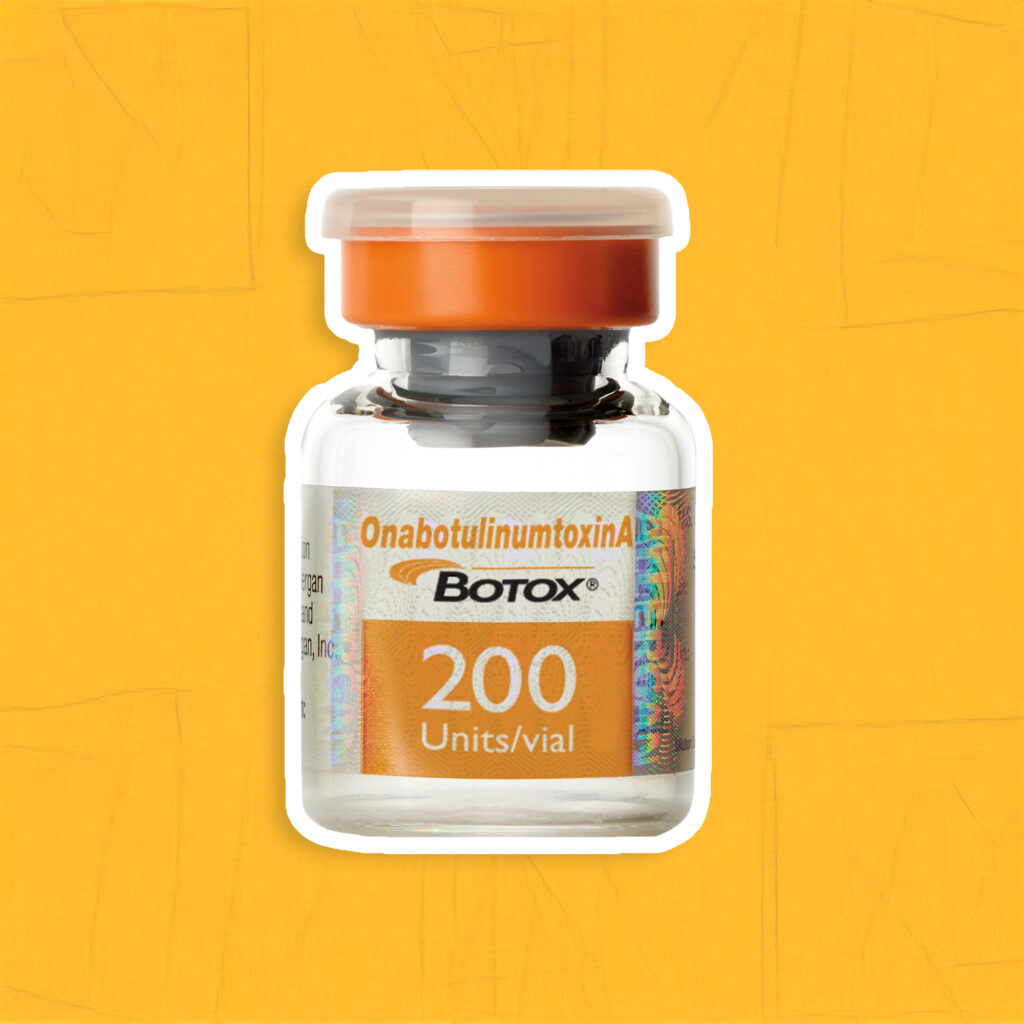
BOTOX® has a number of other therapeutic uses other than for cosmetic treatments. The list of indications is continually expanding. Some extended health plans will cover a prescription for BOTOX® if it is being used for therapeutic purposes.
The following is a summary of the other treatments we offer at Nuvel Skin & Laser.
Hyperhidrosis
Hyperhidrosis is a socially embarrassing medical condition characterized by excessive perspiration. The most commonly affected areas of the body are the underarms, hands, feet, face, scalp and groin. Hyperhidrosis is often resistant to topical antiperspirants and surgical remedies are fraught with failures and potential complications. Botulinum (BOTOX®) can often provide remarkable relief for 6-12 months or longer after a single treatment. BOTOX® works by interfering with the signal sent by nerve endings to sweat glands. This effect is not permanent and sweating will return over time, therefore BOTOX® treatments must be repeated at intervals.
Underarm treatments are fairly straight forward. Discomfort is minimal and the procedure takes no more than 10 minutes in our office. For treating hyperhidrosis of the hands we use nerve blocks to decrease discomfort, but again this procedure is usually well tolerated. Other areas can be treated but it is best to come into the office and speak to one of our doctors for more detailed information.
Visit the British Medical Journal website for a study on the use of BOTOX® to treat hyperhidrosis.
Headaches
Both tension and migraine type headaches have shown response to BOTOX®. It works by relaxing muscles thought to trigger headaches and by inhibiting other pain chemicals released by nerve endings. Tender trigger points can also be injected often with dramatic results.
TMJ
Or temporomandibular joint pain refers to pain in the jaw joint that lies just in front of the ear. When the cause of TMJ pain is muscle spasm, and it often is, BOTOX® can provide dramatic relief. Injections are placed into the tender trigger points around the TMJ and results often last 3-4 months.
Neck Pain
Can also be treated with BOTOX® where the cause of the pain is chronic muscle spasm. The target muscles are usually in and around the cervical spine. Tender trigger points respond very well to BOTOX® injections and the effects last several months on average.
Our doctors can formulate a treatment plan that addresses your specific concerns.
Blepharospasm
Blepharospasm is a neurological condition characterized by involuntary, repetitive contractions of the muscles around the eyes, leading to excessive blinking or forced eyelid closure. In severe cases, these spasms can cause functional blindness, as individuals may be unable to open their eyes voluntarily Cleveland Clinic+1.
Types of Blepharospasm
- Primary (Benign Essential Blepharospasm – BEB): Occurs without an identifiable underlying cause and is considered a form of focal dystonia, a movement disorder affecting specific muscles Osmosis.
- Secondary Blepharospasm: Results from other conditions such as dry eyes, neurological disorders like Parkinson’s disease, or as a side effect of certain medications Cleveland Clinic.
Symptoms
- Increased blinking or eyelid twitching
- Involuntary closure of the eyelids
- Sensitivity to light (photophobia)
- Dry or irritated eyes
- Inability to keep the eyes open, leading to difficulty in performing daily activities Cleveland Clinic.
Causes and Risk Factors
The exact cause of primary blepharospasm is unknown, but it is believed to involve dysfunction in the basal ganglia, the part of the brain responsible for motor control Wikipedia. Risk factors include:
- Age (most common between 40 and 60 years)
- Female gender (more prevalent in women)
- Family history of dystonia
- Stress and fatigue
- Exposure to bright lights EyeWiki.
Diagnosis
Diagnosis is primarily clinical, based on patient history and physical examination. There are no specific tests for blepharospasm, but imaging studies may be conducted to rule out other conditions Wikipedia.
Treatment Options
- Botulinum Toxin Injections: Considered the most effective treatment, botulinum toxin is injected into the eyelid muscles to reduce spasms. Effects typically last for several months, requiring repeat injections Cleveland Clinic.
- Medications: Drugs such as anticholinergics, benzodiazepines, or muscle relaxants may provide relief but are generally less effective than botulinum toxin Wikipedia.
- Surgical Intervention: In cases where other treatments are ineffective, procedures like myectomy (removal of some eyelid muscles) may be considered EyeWiki.
- Supportive Therapies: Use of sunglasses to reduce light sensitivity, stress management techniques, and physical therapy may help alleviate symptoms MSD Manuals.
If you suspect you have blepharospasm, it is important to consult a healthcare professional for an accurate diagnosis and appropriate treatment plan.
